
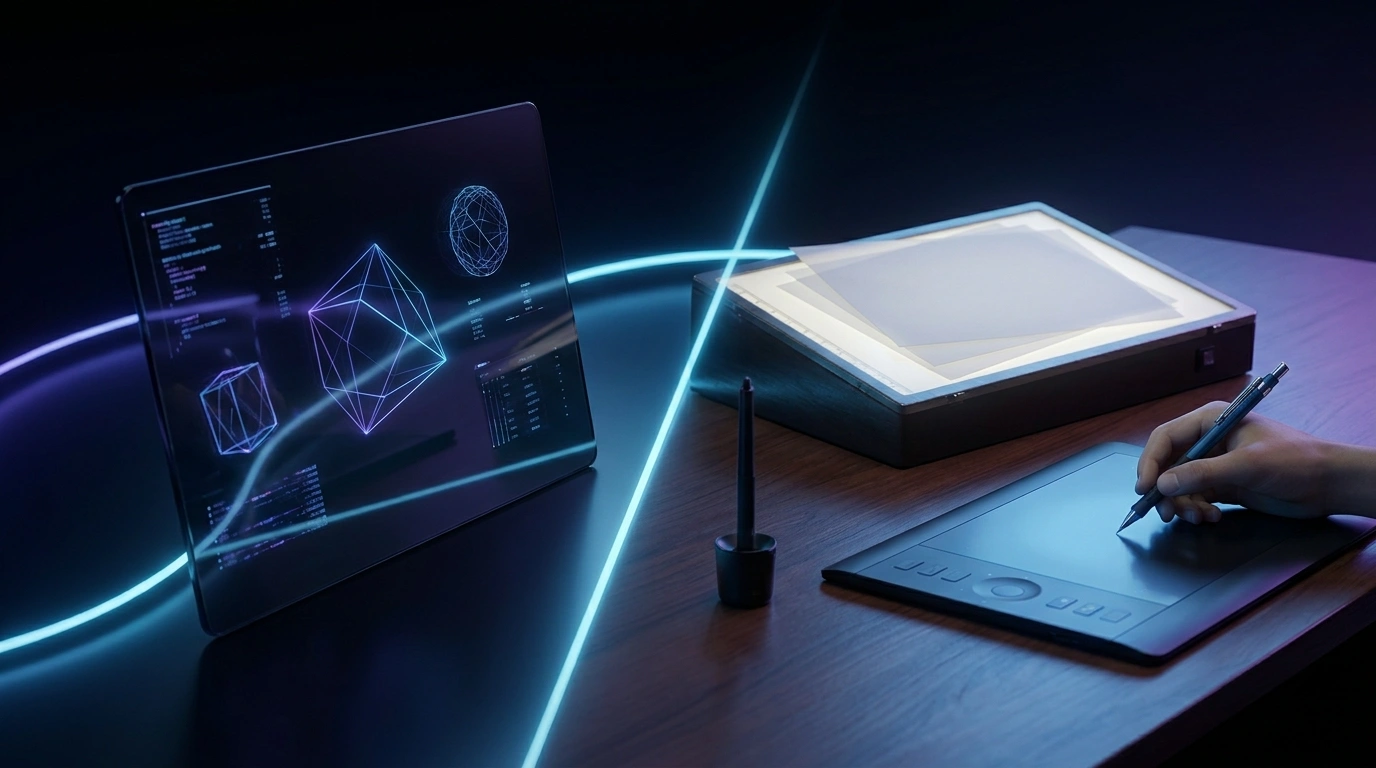
The main difference in the motion graphics vs traditional animation debate comes down to purpose. Motion graphics bring text and graphic design elements to life to communicate information clearly. Traditional animation relies on character-driven storytelling to build strong emotional connections. Choose motion graphics for quick explainers and traditional animation for narrative campaigns.
Video marketing dominates the digital landscape. Business leaders constantly look for ways to capture audience attention and convey complex ideas effectively. According to a 2024 report by HubSpot, 75 percent of marketers say video drives a better return on investment than any other content type. However, deciding on the right visual format can be challenging. Many business owners find themselves weighing the benefits of motion graphics vs traditional animation.
Understanding the differences between these two visual mediums is essential for a successful marketing strategy. Both styles offer unique benefits for brand growth, but they serve entirely different purposes. This guide breaks down everything you need to know about motion graphics vs traditional animation so you can make an informed decision for your next project.
What exactly are motion graphics?
Motion graphics are essentially graphic design in motion. This technique takes static elements like shapes, icons, logos, and typography and gives them movement. The primary goal of motion graphics is to communicate information, data, or complex ideas in a visually engaging and easily digestible way.
You see motion graphics constantly in digital marketing. They are the moving text in a social media ad, the animated logo at the end of a YouTube video, and the dynamic charts in a corporate presentation. Motion graphics focus heavily on layout, composition, and typography rather than character development or narrative arcs. They provide a sleek, modern look that aligns perfectly with corporate branding and educational content.
What defines traditional animation?
Traditional animation is an art form rooted in storytelling. Historically, animators drew every frame by hand. Modern traditional animation often utilizes digital tools to replicate this frame-by-frame process or uses 3D software to create characters and environments.
The focus of traditional animation is building a narrative. This style involves characters expressing emotions, interacting with their environments, and driving a plot forward. Traditional animation creates a deep emotional connection with the viewer. Think of classic Disney films or the memorable, character-driven advertisements you see during the Super Bowl. These animations require detailed storyboards, character design, voice acting, and complex background art.
What are the key differences between motion graphics and traditional animation?
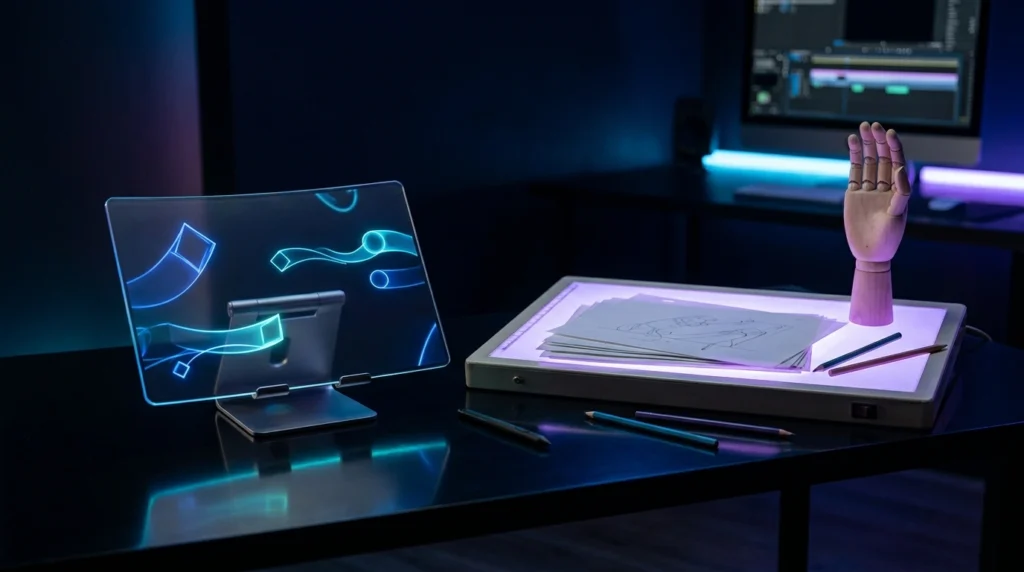
When evaluating motion graphics vs traditional animation, business owners must look at three critical factors. These include the overall style, the production requirements, and the best use cases for corporate environments.
How do the style and aesthetics differ?
The visual style of motion graphics is highly structural. It relies on geometric shapes, vibrant colors, and kinetic typography. The aesthetic is usually clean, professional, and directly tied to a company’s brand guidelines.
Traditional animation features organic shapes, detailed character models, and immersive backgrounds. The aesthetic varies wildly depending on the story. It can be whimsical, realistic, dark, or humorous. The visual style serves the narrative rather than just presenting data.
Which option has a faster production time and lower cost?
Cost and timeline are major deciding factors in the motion graphics vs traditional animation conversation. Motion graphics generally require less time and money to produce. Because this style does not require complex character rigging, voice acting, or frame-by-frame drawing, animation studios can turn projects around quickly.
Traditional animation demands a significantly larger budget and a longer production schedule. Developing a character, illustrating custom backgrounds, and animating intricate movements takes a dedicated team of specialists. If your business needs a quick turnaround for a social media campaign, motion graphics will be the more cost-effective choice.
What are the best use cases in business?
Motion graphics excel at simplifying the complex. They are perfect for B2B companies explaining software solutions, financial institutions visualizing data, and e-commerce brands showcasing product features.
Traditional animation shines in B2C marketing where emotional resonance drives sales. Brands use character animation to build long-term brand mascots, tell origin stories, and create entertaining content that viewers want to share with their friends.
When should you use motion graphics for your business?
Choosing the right format depends entirely on your specific marketing goals. You should lean toward motion graphics when your primary objective is education or brand reinforcement.
Consider using motion graphics for:
- Explainer videos that simplify complex services.
- UI/UX design mockups that demonstrate app functionality.
- Social media advertisements highlighting a specific sale or event.
- Corporate presentations that require engaging data visualization.
- Logo animations that build brand recognition.
Motion graphics allow you to deliver a clear message without the distraction of a complex storyline. If you need a professional asset to enhance your Motion Graphics & Animation Services or digital marketing campaigns, this style is highly effective.
When should you use traditional animation for your business?
Traditional animation is the right choice when you want your audience to feel a specific emotion. If you need to make people laugh, cry, or feel inspired, character-driven animation is your best tool.
Consider using traditional animation for:
- Brand storytelling that highlights your company values.
- Entertaining commercials designed for television or YouTube pre-roll.
- Long-form content intended to entertain an audience.
- Developing a recognizable brand mascot.
- Educational content aimed at younger demographics.
While it requires a larger investment, traditional animation can elevate a brand from a mere service provider to a beloved household name.
Motion graphics vs traditional animation: A side-by-side comparison
To make your decision easier, review this quick comparison table outlining the core differences between the two styles.
| Feature | Motion Graphics | Traditional Animation |
|---|---|---|
| Primary Goal | Inform and explain | Tell a story and entertain |
| Visual Elements | Text, shapes, icons, logos | Characters, environments, props |
| Production Time | Generally fast | Usually slow and intensive |
| Cost | Low to moderate | High |
| Best For | B2B marketing, data, UI/UX | B2C marketing, narratives, mascots |
| Audio Needs | Voiceovers, background music | Voice acting, sound effects, scores |
How does animation impact digital marketing and brand growth?
Incorporating any form of animation into your marketing strategy significantly boosts engagement. Search engines like Google prioritize websites that keep visitors on the page longer. Video content is one of the most effective ways to increase this dwell time.
When users watch an animated explainer video, they absorb information faster than they would by reading a block of text. This increased comprehension leads directly to higher conversion rates. Furthermore, animated content is highly shareable on platforms like LinkedIn, Instagram, and Facebook.
Using the right visual strategy helps businesses grow online. It allows companies to automate the sales process by answering common customer questions visually. Scaling operations becomes easier when you have compelling video assets doing the heavy lifting for your sales team.
How can Softlogics LLC help your business with video production?
Navigating the complexities of motion graphics vs traditional animation is much easier with an experienced partner. Softlogics LLC is a full-service IT and digital solutions company dedicated to helping businesses build a strong digital presence.
Our team provides comprehensive digital solutions tailored to your unique goals. Whether you need a simple animated logo or a complex character-driven campaign, our Motion Graphics & Animation Services deliver high-quality results.
We integrate animation seamlessly into our broader suite of services:
- Web Design & Development: We embed lightweight motion graphics into your website to increase engagement without sacrificing page speed.
- UI/UX Design: Our designers use micro-animations to improve customer experience and make software navigation intuitive.
- Digital Marketing (SEO, PPC, Social Media): We create scroll-stopping animated ads that improve conversions and lower your cost-per-click.
- Graphic Design & Branding: We ensure every animation aligns perfectly with your established brand identity.
- Custom Software & Mobile App Development: We use animated tutorials to onboard your new users effectively.
We also offer Website Maintenance, Shopify & eCommerce Development, and comprehensive E-Book Publishing (Editing, Ghostwriting, Audiobooks). Work with Softlogics LLC to centralize your digital growth strategy under one expert roof.
What are some real-world business use cases and examples?
To truly grasp the motion graphics vs traditional animation debate, it helps to look at real-world applications.
A financial technology startup launching a new investment app will likely choose motion graphics. They need to show potential users how the dashboard works, how secure the platform is, and how easy it is to transfer funds. A sleek, 60-second motion graphic video using their brand colors and typography achieves this perfectly.
Conversely, a pet food company launching a new product line might choose traditional animation. They could create a heartwarming story about a rescue dog finding a forever home. By animating the dog’s journey and expressions, the brand builds immense emotional goodwill with pet owners.
Both approaches are highly successful. The determining factor is the specific message the business wants to convey.
Frequently asked questions about animation styles
What is the main difference in motion graphics vs traditional animation?
The main difference is the core objective. Motion graphics focus on presenting data, text, and design elements to explain concepts. Traditional animation focuses on characters and narratives to tell an emotional story.
Which animation style is better for social media marketing?
Motion graphics typically perform better for standard social media marketing because they are brief, clear, and can be understood even if the user has their sound muted. Traditional animation works well for larger, highly targeted social media campaigns.
Can I combine motion graphics and traditional animation?
Yes. Many modern videos use a hybrid approach. A video might feature a fully animated character who then points to a screen displaying kinetic text and data visualization. This combination leverages the emotional power of characters with the clarity of graphic design.
How much does it cost to produce an animated video?
Costs vary drastically based on length, style, and complexity. Motion graphics generally cost less due to faster production timelines. Traditional animation requires a larger budget for character design and frame-by-frame rendering. Get a free consultation from our team to receive an accurate quote for your specific needs.
How do motion graphics improve UI/UX design?
Motion graphics enhance UI/UX design by providing visual feedback to users. When a user clicks a button and it smoothly changes color, or when a menu slides gracefully onto the screen, that is motion graphics at work. These subtle animations make digital platforms feel responsive and premium.
Elevate your brand with the right visual strategy
Choosing between motion graphics vs traditional animation does not have to be a stressful process. By understanding your core message, your target audience, and your budget, the right path becomes clear. Motion graphics will streamline your complex data, while traditional animation will bring your brand stories to life.
Having a reliable technical partner ensures your final product looks professional and drives real business results. Softlogics LLC helps businesses automate and scale operations through expert digital solutions.
Contact our team today to discuss your next project. Let us help you transform your ideas into compelling visual content that captivates your audience and accelerates your brand growth.