


If you have recently invested in SEO, one question is probably on your mind: how long does SEO take to work?
The honest answer is that SEO is not an overnight process. Most businesses start seeing measurable improvements within 3 to 6 months, while competitive industries may take 6 to 12 months or longer to achieve strong rankings and consistent traffic.
However, the timeline depends on several factors, including your website quality, competition level, content strategy, backlinks, and technical optimization.
SEO is a long-term investment that helps businesses build visibility, attract qualified leads, and increase conversions over time. Unlike paid advertising, where traffic stops when the budget ends, SEO continues generating results long after the initial work is done.
At Softlogics LLC, businesses often ask how quickly they can expect growth from SEO campaigns. The reality is that effective SEO combines technical expertise, content strategy, user experience improvements, and ongoing optimization. When done correctly, it creates sustainable online growth.
In this guide, you will learn:
- How long SEO takes to show results
- What impacts SEO timelines
- The stages of SEO growth
- Common mistakes that slow down rankings
- How businesses can speed up SEO success
- Why professional SEO services matter
Why SEO Takes Time
Search engines like Google Search Central evaluate websites using hundreds of ranking factors. Search engines want to deliver the best and most trustworthy content to users.
That means your website must prove:
- Relevance
- Authority
- Technical quality
- Positive user experience
- Content value
Building trust with search engines does not happen instantly.
Think of SEO like building a reputation in the real world. A new business does not become an industry leader in one week. It earns credibility over time through quality service, positive customer experiences, and consistent visibility.
The same applies to SEO.
Typical SEO Timeline for Businesses
Here is a realistic breakdown of how long SEO takes to work.
| Timeframe | What Usually Happens |
|---|---|
| Month 1 | SEO audit, technical fixes, keyword research |
| Month 2 | Content optimization and website improvements |
| Month 3 | Initial ranking improvements and indexing |
| Months 4-6 | Traffic growth and lead generation begin |
| Months 6-12 | Stronger rankings and authority growth |
| 12+ Months | Long-term SEO dominance and scalability |
Every business is different, but this timeline reflects what many companies experience when implementing a proper SEO strategy.
Month 1: SEO Research and Technical Improvements
The first month focuses on building the foundation.
This stage usually includes:
- Technical SEO audit
- Website speed improvements
- Mobile optimization
- Keyword research
- Competitor analysis
- Fixing crawl errors
- Optimizing metadata
- Improving site structure
Many companies ignore technical SEO, but it is critical for search visibility.
For example, a slow-loading website can hurt rankings and conversions. Businesses working with Softlogics LLC often combine SEO with professional web design and development services to improve both user experience and search performance.
A modern, fast, and mobile-friendly website creates the foundation for successful SEO.
Why Technical SEO Matters
Technical issues can prevent search engines from properly understanding your website.
Common problems include:
- Broken links
- Duplicate content
- Poor mobile responsiveness
- Slow page speed
- Missing schema markup
- Weak internal linking
According to Google PageSpeed Insights, page speed directly affects user experience and performance.
Fixing these issues early helps search engines crawl and rank your website more effectively.
Month 2: Content Optimization and Strategy
Content is one of the biggest ranking factors in SEO.
During the second month, businesses usually focus on:
- Publishing optimized blog posts
- Updating service pages
- Improving keyword targeting
- Building topical authority
- Enhancing internal linking
High-quality content helps search engines understand your expertise.
For example, a law firm targeting “personal injury lawyer” needs content covering:
- Injury claims
- Settlement processes
- Legal rights
- Accident cases
- Compensation timelines
This builds topical relevance.
At Softlogics LLC, SEO campaigns often integrate:
- Content marketing
- UI/UX design
- Graphic design
- Branding
- Website optimization
This combination helps businesses improve both rankings and conversions.
Month 3: Initial SEO Movement
Around month three, websites often begin seeing:
- Keyword ranking increases
- More indexed pages
- Higher impressions
- Slight traffic growth
- Better click-through rates
However, results are usually gradual.
Some keywords may move from page 10 to page 3 before eventually reaching page 1.
SEO growth is rarely linear.
Important SEO Metrics to Track
Instead of focusing only on rankings, businesses should monitor:
- Organic traffic
- Bounce rate
- Conversion rate
- Click-through rate
- Keyword visibility
- Lead generation
- Engagement metrics
Tools like Google Analytics and Google Search Console help track SEO progress effectively.
Months 4 to 6: Real SEO Growth Begins
This is when many businesses begin seeing noticeable improvements.
Common results include:
- Increased organic traffic
- Better keyword rankings
- More leads and inquiries
- Higher conversion rates
- Improved domain authority
At this stage, consistent optimization starts paying off.
For example, an eCommerce business using Shopify development services may begin ranking for product-related keywords after optimizing category pages, product descriptions, and blog content.
Similarly, businesses investing in:
- Mobile app development
- Custom software development
- UI/UX design
- Website maintenance
often experience stronger SEO performance because better user experiences improve engagement signals.
What Affects How Long SEO Takes?
Not all websites grow at the same speed.
Several factors influence SEO timelines.
1. Website Age and Authority
Older websites with existing authority often rank faster.
New websites typically take longer because search engines need time to trust them.
A brand-new website may take:
- 6 to 12 months for strong rankings
- Longer in competitive industries
Established websites with quality backlinks usually see faster improvements.
2. Competition Level
Competitive industries require more time and effort.
For example:
| Industry | SEO Difficulty |
|---|---|
| Local bakery | Low |
| Dentist | Medium |
| Real estate | High |
| Insurance | Very High |
| SaaS software | Extremely High |
The more competitors targeting the same keywords, the longer SEO may take.
This is why strategic keyword selection matters.
3. Website Quality
A poorly designed website slows SEO performance.
Search engines prioritize websites that provide excellent user experiences.
Important factors include:
- Fast loading speed
- Mobile responsiveness
- Easy navigation
- Clear structure
- Secure HTTPS connection
Businesses partnering with Softlogics LLC often improve SEO results through integrated services like:
- Website redesign
- UI/UX optimization
- Custom development
- Conversion-focused layouts
These improvements help users stay longer and engage more with the website.
4. Content Quality
Thin or low-value content will struggle to rank.
Search engines reward content that is:
- Helpful
- Original
- Well-structured
- Informative
- User-focused
Publishing one blog post is not enough.
Successful SEO requires consistent content creation.
For example, a healthcare website should regularly publish articles about:
- Symptoms
- Treatments
- Prevention
- Patient education
This builds authority over time.
5. Backlink Profile
Backlinks remain one of the strongest ranking factors.
A backlink is when another website links to your content.
Quality backlinks signal trust and authority to search engines.
However, building backlinks takes time.
Spammy backlinks can actually hurt rankings.
According to Ahrefs, top-ranking pages often have strong backlink profiles and established authority.
How to Speed Up SEO Results
Although SEO takes time, businesses can improve results faster by following proven strategies.
Focus on Technical SEO First
Technical problems can block growth.
Prioritize:
- Website speed
- Mobile optimization
- Clean code structure
- Secure hosting
- Schema markup
Businesses using professional web development services often gain SEO advantages because their websites are optimized from the beginning.
Create High-Quality Content Consistently
Content is the engine of SEO.
Focus on creating:
- Blog posts
- Service pages
- Case studies
- Guides
- FAQs
Consistency matters more than publishing dozens of low-quality pages.
Improve User Experience
Search engines analyze user behavior.
If visitors quickly leave your website, rankings may suffer.
Good UI/UX design improves:
- Engagement
- Navigation
- Conversions
- Session duration
This is why SEO and UI/UX design should work together.
At Softlogics LLC, businesses often combine SEO with professional design improvements to create better digital experiences.
Invest in Local SEO
For local businesses, local SEO can produce faster results.
Important local SEO tactics include:
- Optimizing Google Business Profile
- Building local citations
- Collecting customer reviews
- Targeting local keywords
For example, a restaurant targeting “best pizza in Karachi” may rank faster locally than nationally.
Avoid Common SEO Mistakes
Many businesses accidentally slow down their SEO progress.
Common SEO Errors
- Expecting instant results
- Using black-hat SEO tactics
- Publishing low-quality content
- Ignoring mobile optimization
- Not updating old content
- Buying spam backlinks
- Poor website structure
SEO success comes from consistency and quality.
How SEO Supports Business Growth
SEO is not just about rankings.
It directly impacts business growth.
SEO Helps Businesses:
- Generate qualified leads
- Build brand credibility
- Increase website traffic
- Improve conversions
- Reduce advertising costs
- Grow long-term revenue
For example, a business investing in SEO and custom software development can attract more users while also automating customer operations.
Similarly, an online store using Shopify and eCommerce development services can increase product visibility and sales through optimized SEO strategies.
Real-World SEO Example
Imagine a local fitness company launching a new website.
Initially, the website receives almost no traffic.
The company partners with Softlogics LLC for:
- SEO optimization
- Web design improvements
- Content creation
- Branding updates
- Website maintenance
First 3 Months
- Technical SEO fixes completed
- Website speed improved
- Blog content published
- Keywords begin indexing
Months 4 to 6
- Organic traffic increases
- Local keywords start ranking
- More leads generated
Months 6 to 12
- Strong search visibility achieved
- Higher membership inquiries
- Increased revenue growth
This is how SEO works in the real world. Sustainable growth happens gradually but compounds over time.
Why SEO and Web Development Work Together
Many businesses separate SEO from web development.
That is a mistake.
SEO performance depends heavily on website quality.
A professionally developed website improves:
- Crawlability
- Site architecture
- User experience
- Mobile responsiveness
- Conversion optimization
Businesses investing in both SEO and development services often outperform competitors.
At Softlogics LLC, SEO strategies are supported by:
- Web design and development
- UI/UX optimization
- Mobile app development
- Graphic design
- Website maintenance
This integrated approach helps businesses build stronger digital ecosystems.
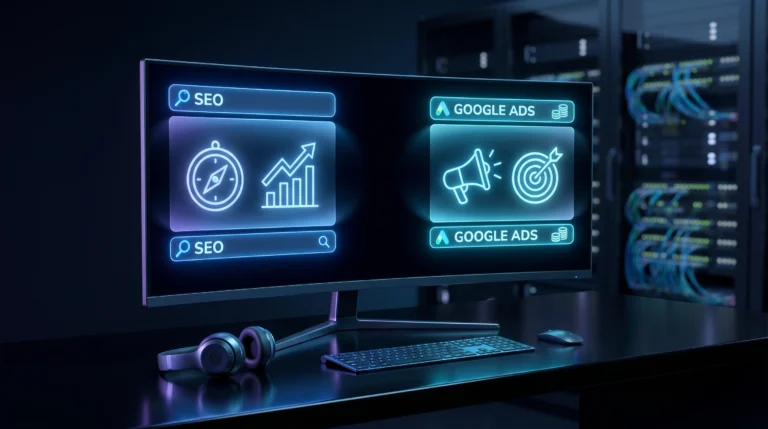
Does PPC Help While Waiting for SEO?
Yes.
Many businesses combine SEO with PPC advertising for faster visibility.
SEO takes time, but PPC can generate immediate traffic.
A balanced strategy may include:
| SEO | PPC |
|---|---|
| Long-term growth | Immediate traffic |
| Organic visibility | Paid visibility |
| Sustainable leads | Quick campaigns |
| Lower long-term cost | Faster testing |
Businesses often use PPC while SEO rankings are developing.
Digital marketing services from Softlogics LLC can help businesses combine SEO, PPC, and social media marketing into a unified strategy.
The Role of Content Marketing in SEO
Content marketing is critical for SEO success.
Search engines favor websites that regularly publish valuable content.
Effective content marketing includes:
- Educational blog posts
- Industry guides
- Videos
- Infographics
- Case studies
- E-books
Businesses offering e-book publishing services can also leverage SEO to promote digital publications and attract targeted audiences.
For example, Softlogics LLC helps authors and businesses with:
- Ghostwriting
- Editing
- Audiobook production
- Publishing support
SEO can help these digital assets rank and generate long-term visibility.
Is SEO Worth It?
Absolutely.
SEO delivers one of the highest long-term returns in digital marketing.
Although it requires patience, the benefits are substantial.
Long-Term Benefits of SEO
- Consistent organic traffic
- Higher credibility
- Better lead quality
- Increased sales opportunities
- Lower customer acquisition costs
- Sustainable business growth
Unlike temporary marketing tactics, SEO continues delivering value long after optimization work is completed.
When Should You Hire an SEO Agency?
Businesses should consider professional SEO help when:
- Traffic is declining
- Rankings are stagnant
- Website performance is poor
- Competitors dominate search results
- Internal teams lack SEO expertise
Professional SEO agencies provide:
- Technical expertise
- Strategy development
- Content optimization
- Reporting and analytics
- Long-term scalability
Working with an experienced digital solutions company like Softlogics LLC can help businesses avoid costly mistakes and accelerate growth.
Final Thoughts on How Long SEO Takes to Work
So, how long does SEO take to work?
For most businesses, meaningful SEO results appear within 3 to 6 months, while competitive industries may require 6 to 12 months or longer.
SEO is not a quick fix. It is a long-term strategy focused on building trust, authority, and visibility.
The businesses that succeed with SEO are the ones that stay consistent, invest in quality content, improve user experience, and continuously optimize their websites.
When combined with strong web development, UI/UX design, branding, and digital marketing strategies, SEO becomes a powerful growth engine.
If your business wants to improve search visibility, increase conversions, and build a stronger online presence, consider working with Softlogics LLC.
Get a free consultation and discover how a tailored SEO strategy can help your business grow sustainably.
FAQs
1. How long does SEO take to work for a new website?
A new website usually takes 6 to 12 months to achieve strong rankings because search engines need time to build trust and authority.
2. Can SEO work in 30 days?
SEO rarely delivers major results in 30 days. However, technical improvements and indexing progress may begin during the first month.
3. Why does SEO take so long?
SEO takes time because search engines evaluate website quality, authority, content relevance, and user experience before improving rankings.
4. Does website design affect SEO?
Yes. Website speed, mobile responsiveness, navigation, and user experience all impact SEO performance and rankings.
5. Is SEO better than PPC?
SEO and PPC serve different purposes. SEO provides long-term organic growth, while PPC delivers immediate visibility.
6. How often should SEO content be updated?
Businesses should regularly update content to maintain relevance, improve accuracy, and strengthen rankings over time.
7. Should I hire an SEO agency or do it myself?
Businesses with limited SEO expertise often benefit from hiring professionals who can manage technical SEO, content strategy, and ongoing optimization effectively.